Six Sides, Infinite Possibilities
- Dace McNally

- Sep 9, 2024
- 3 min read
Updated: Mar 8, 2025
Everyone has a six-sided die in their house. It's the equivalent of salt and pepper in your spice cabinet or those extra batteries in your drawer that you're not sure have been used yet. Humans have been rolling six-sided dice for entertainment for nearly 5,000 years and were probably rolling other kinds of dice well before that. Excavations in Iran and Pakistan have unearthed six-sided dice dating back to 2,600 B.C.E. Popular games like Parcheesi and Snakes and Ladders are versions of games from India, dating back at least to the 2nd century.

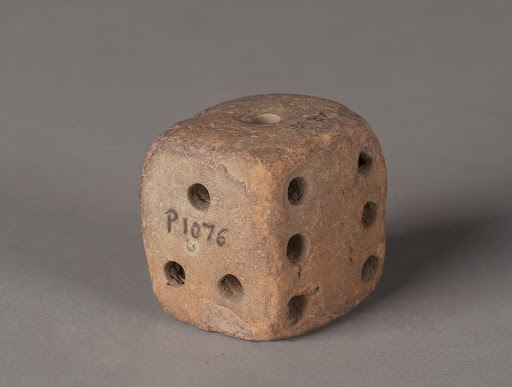

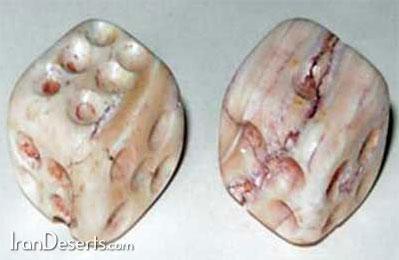


Flash forward to nowadays; the six-sided die is still serving up all kinds of action, from old-school board games like Backgammon to new-school games like Dungeons & Dragons. I myself am a big fan of Yahtzee, made in the 1950s by Edwin Lowe, the dude who Americanized the game Bingo.
It's pretty neat to think that this tiny math cube everyone has in their house has such a rich history through human civilization. Found across the globe and throughout all time, may the six-sided die continue to provide us with infinite possibilities and endless fun.
Speaking of Dungeons & Dragons, to those of you who are fans of TTRPGs, I've created some six-sided die-based tables for you to use during your next session.
I'm a big believer in the power of a d6 (six-sided die) table; they're simple and efficient to make and provide game masters with a level of controlled chaos for virtually any situation. Check them out below.
NPC Behavior
Roll on this table before your players talk to an NPC to determine the character's mood:
Coming from a heated argument.
Experiencing an unusual stroke of luck as of late.
Stressed over an upcoming event.
Lost in thought about something from their past.
Recovering from a rough-and-tumble evening.
Smitten from an encounter with a special someone.
Whether it's a shopkeeper, a quest-giver, or some schmuck they failed to pickpocket, this table adds a layer of depth to the NPC's behavior, giving you a starting point from which to improvise their interaction.
Combat Chaos
Roll on this table after your second or third round of combat to spice up the battlefield:
A local peacekeeper or passerby comes to your aid.
Another enemy arrives as reinforcement.
An enemy decides to make a run for it.
An enemy gets desperate, making all attacks similar to D&D's Reckless Attack.
An enemy calls for a temporary truce. Could it be a ruse?
An enemy regains some health from a low-level healing spell or health potion.
This table is the perfect remedy for players face-rolling an encounter you thought more difficult or when the mundanity of turn-based battles sets in, and you need something spicy. In both cases, I'd recommend rolling on the table multiple times.
Labyrinth Puzzle:
Use this table to simulate navigating a labyrinth. When players get a total of "+3," they reach the exit:
You loop around to a path you've already been. -2
The path continues forward. +1
You hit a dead-end. -1
The path continues forward. +1
You hit a dead-end. -1
You find a long stretch of path. +2
Have each player find their own way to the exit, where a minotaur or some other monster awaits them at the end, forcing them to hold off until the others arrive.
Or, if one player is leading their group through the maze, place the minotaur/monster behind them, and at "-3," it catches up to them, ready for battle.
You could also implement an additional survival check, with success being rolling twice and choosing which number they want for a result.
And there you have it. Thanks for reading this far. In further celebration of the six-sided die, I made a brief solo game last week called "Dog & Dude," inspired by the recent solo RPG game jam over on itch.io. I missed the chance to throw my hat in the ring, but I'll publish it this week, along with a brief post on the design process.
Until then, happy rolling! - Dace

Comments